


I am excited to do more styling writing this year, and I think you are excited to see more of it, too. I’m currently pondering ways to create shopping content separate from the regular Sunday newsletter so you can opt in or out. Keep your eyes peeled. Today’s letter explores the contentious notion that some outfits look expensive while others don’t. Whether you actively seek to replicate that look or you find the whole concept ludicrous - I’m still unsure - you will learn something new about styling your wardrobe.
I think everyone finds the idea of their clothes looking ‘expensive’ compelling—at least, I have never heard anyone express the opposite. However, looking ‘expensive’ has become associated with looking polished and minimalist, and not everybody wants that. It’s key to note that what looks expensive morphs with each trend cycle. Over the last two decades, the pendulum has swung between austere simplicity and dramatic proportions. These shifts make blindly chasing expensive markers risky. A better approach is to understand what makes something look refined right now - intentional volume, strategic negative space, subtle tension in proportions, all of which I explore in detail in this letter - and make it your own. It sometimes takes understanding the rules to break them successfully.
The Row's latest collection optional (exhale).
High-Priced Proportions
The current ‘expensive’ aesthetic plays with proportions in a way that's far more nuanced than any traditional styling rules like thirds or golden ratios. From these designs, we see a sophisticated manipulation of visual weight. Silhouettes show deliberate imbalance rather than harmony and classic proportions.
Trousers
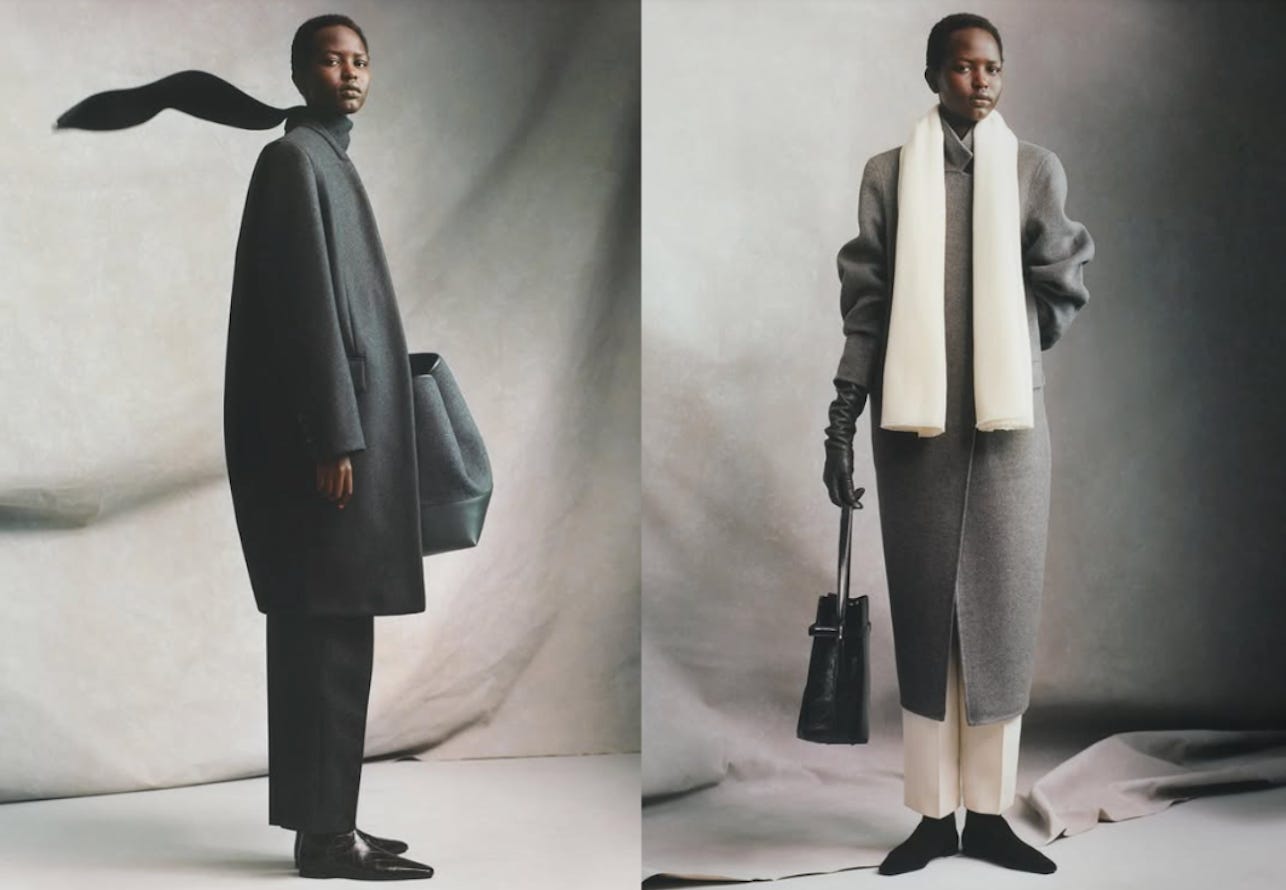
The sweet spot hits a precise ‘floating ankle’ point, where the hem hovers above the shoe. The result is a continuous line with a clear visual break in an unexpected place. Whether it makes the leg line longer, I let you be the judge. Even though I’m 5’0, I find how sharp it looks extremely satisfying. This length works well with a sweater that hits just below the most pronounced curve of the hip. If you’re shopping your closet, is there a forgotten pair of pants you can bring to the tailor for a fresh cut?
Coats and Jackets
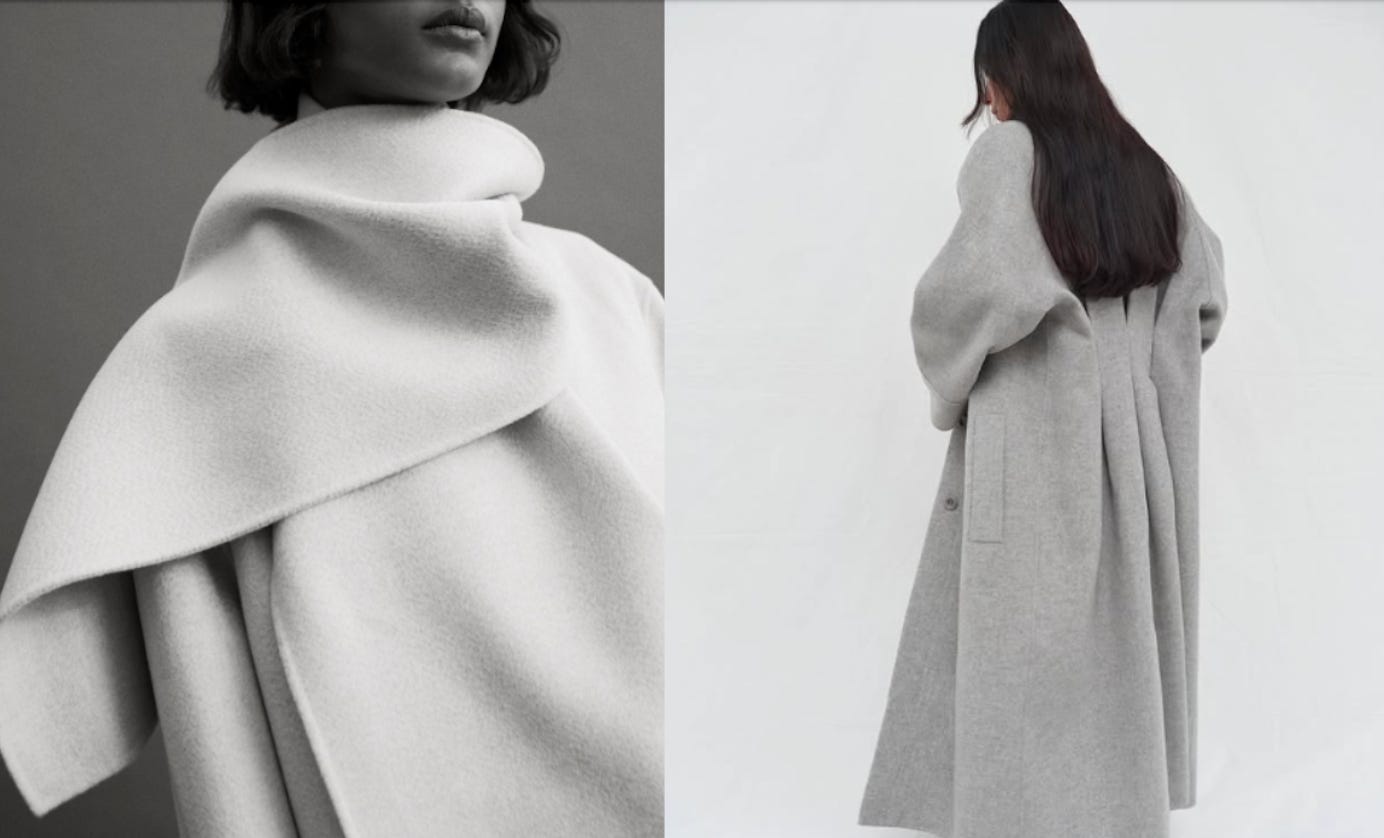
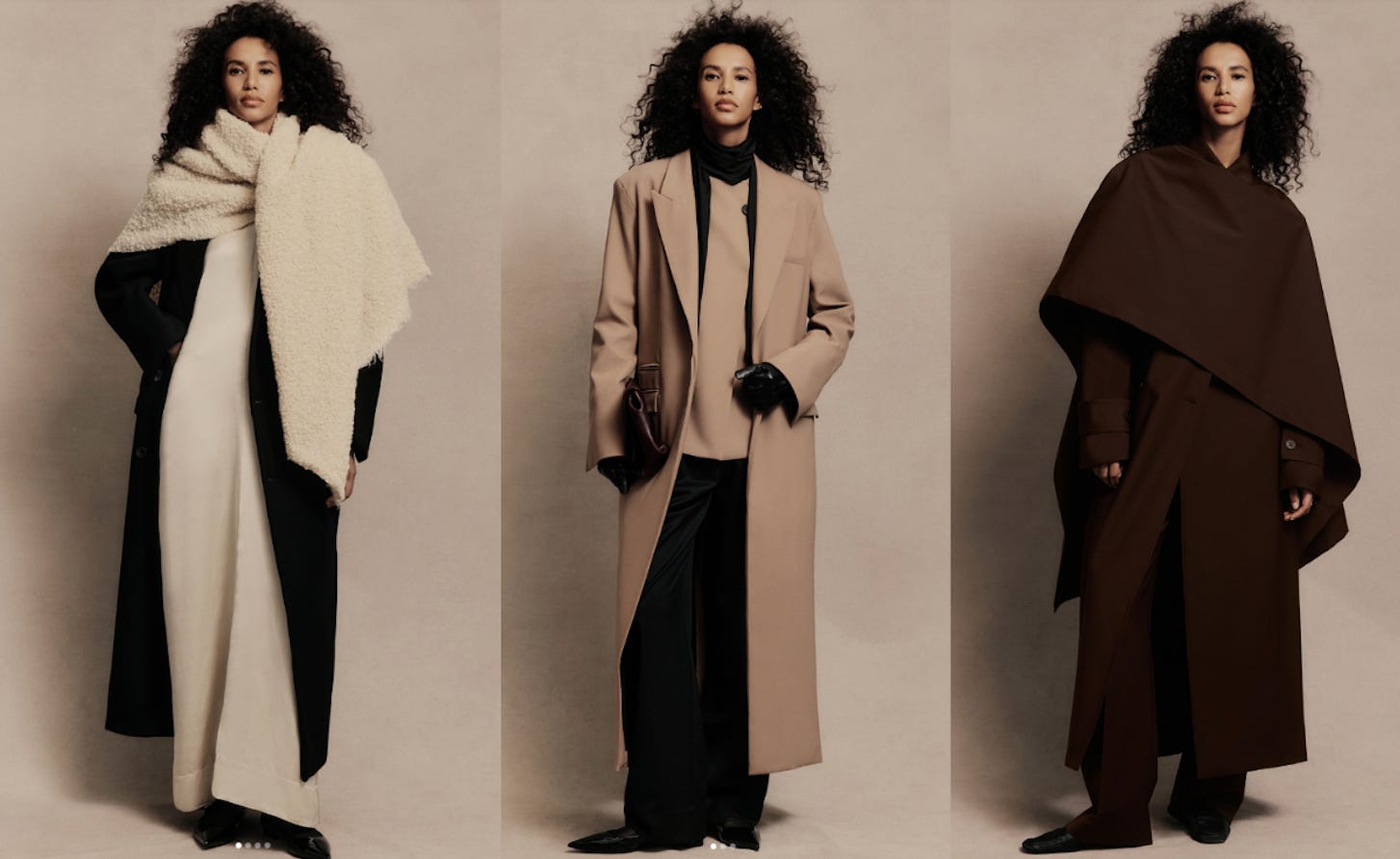
It starts with the shoulder placement. The first-class versions drop slightly beneath the natural shoulder line, with some creating a subtle forward tilt. Hems hit mid-calf or just above the ankle - anything shorter or in between looks less intentional. All the better if sleeves show a quarter-inch of whatever's underneath. Volume has also become more strategic. We're seeing controlled fullness in specific areas: through the back while keeping the shoulders slim and through the sleeves while maintaining a cleaner body. Double-faced wool and cashmere, a scarf detail, an extra-wide lapel, or a pleated waist are design features that elevate these expensive-looking coats above the rest. You really don’t need to splurge on the scarf-detailed coat - a scarf in a matching tone and similar fabric - By Malene Birger, for example, makes delicious woven wool bibs and ponchos - over your existing coat will look just as lavish.
The ‘expensive’ take on extreme temperatures is a fluffy texture. Shearling coats have become the ultimate signifier of perceived value. I’m camp in favour. Shearling looks expensive today, and it also did in my earliest memory of style, back in the nineties, when my parents wore the shearling jackets they still wear today. Their price tags are heart-stopping, even the high-street versions, but they are reflected in the material for once. It is a for-life investment, save for the high-end versions that are often ‘only’ 50% to 100% more expensive. My cherished Totême shearling coat is currently $2,000 off.
Shoes and Boots
They’re all about negative space. The most elevated versions leave small, strategic gaps. Think Mary-Janes, ankle straps hanging delicately above the ankle bone, and pumps cut low to show the entire arch of your foot. If you're handy with a leather punch, you might be able to add an extra hole to your ankle strap to achieve this floating effect. The high-priced detail is the deliberate space between the shoe and the trouser hem.
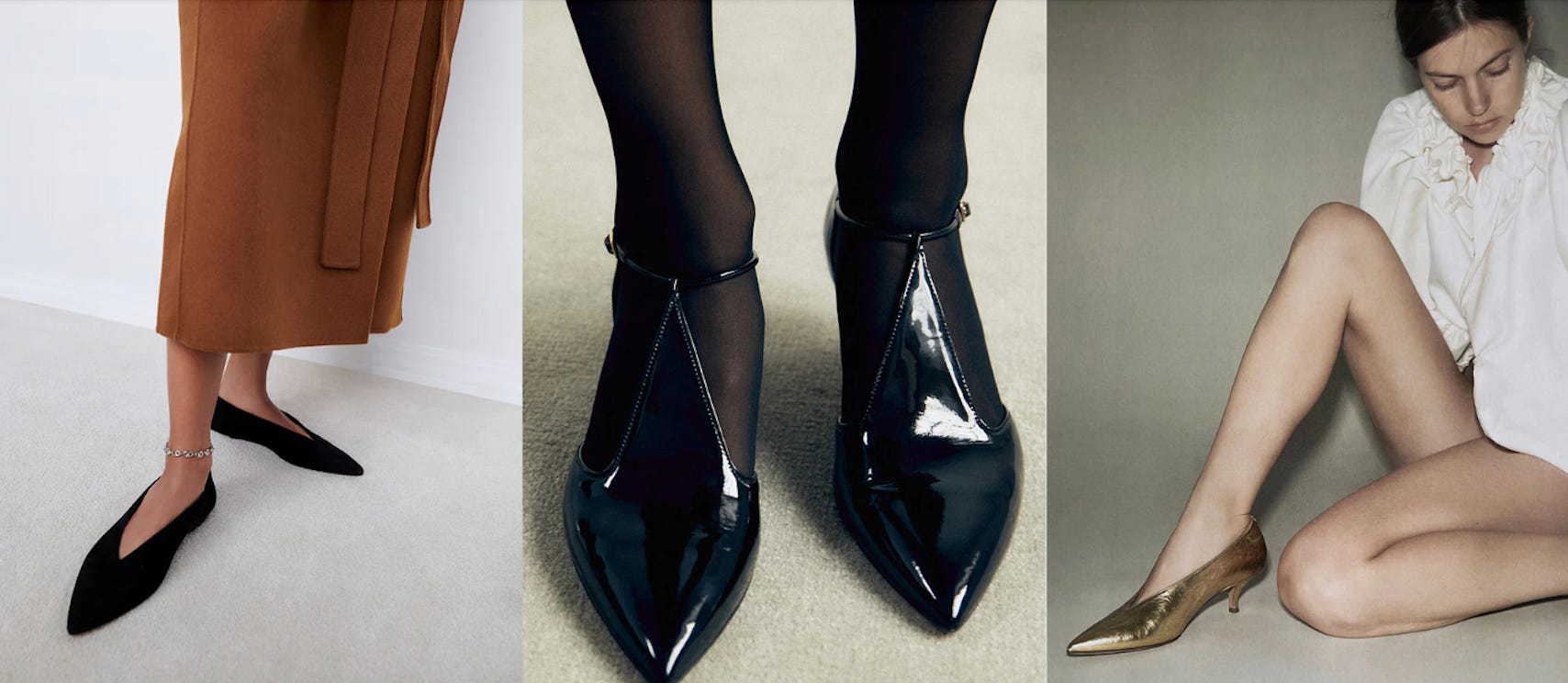
Boots toe shapes have become more subtle - neither pointy nor round, but somewhere
in between. The heel height sweet spot is low - between 3 and 6 centimetres. Vertiginous heels seem to have disappeared. When trends mean good news for comfort, I’m always on board. The chunky block heels that dominated the 2010s have also been refined. While I see the visual appeal, those thin, tapered heels require regular trips to the cobbler for maintenance/replacement.
Dresses
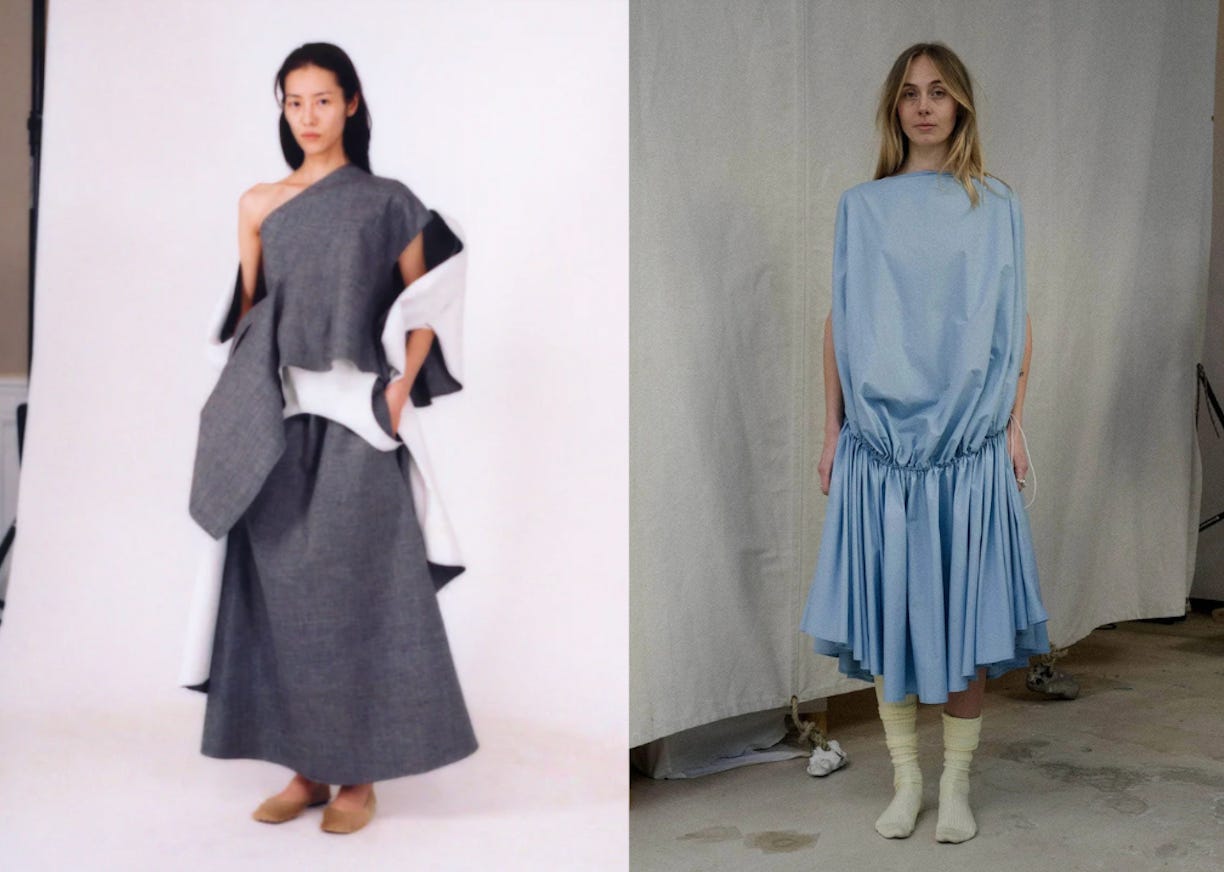
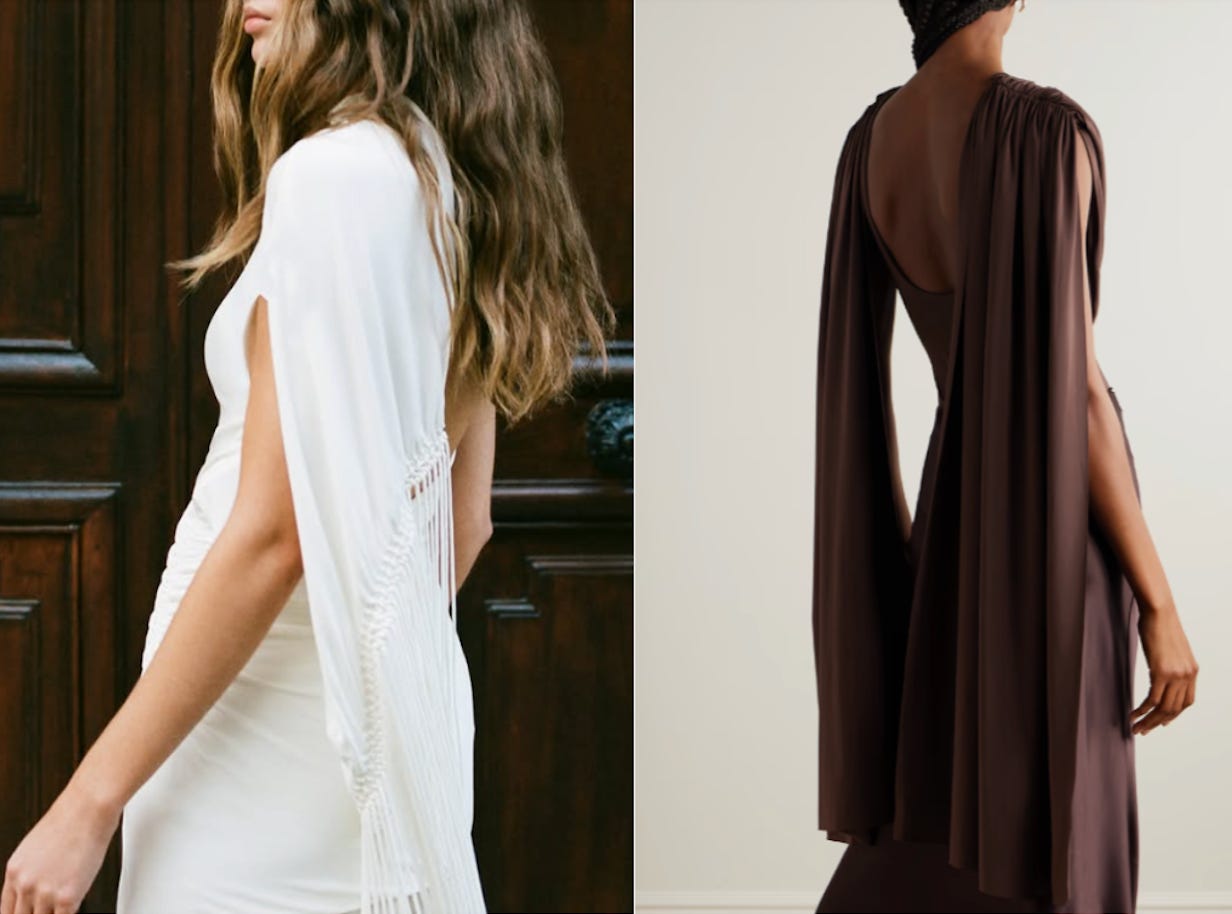
Dresses are out of whack. Proportions have shifted. And the result is really, really cool. We're seeing overwhelming volumes that create abstract shapes around the body rather than follow its natural curves. Some of these new luxury silhouettes ignore conventional points of emphasis - no defined waist, no obvious shoulder line, just dramatic swathes of fabric that move with intention and deliberate manipulation of space (fabric gathered at unexpected points, asymmetrical draping, and dropped waistlines). The refinement comes through contrast: while the volumes are extreme, the fabrication is often austere - crisp cotton poplin, structured linen, architectural wool. If you have shapes in your closet that have felt overwhelming until now, give them a new spin; luxury now is apparently in letting them billow.
Tops
Expensive-looking tops are all about strategic draping and unexpected reveals. Gone are rigid shoulder lines. We're seeing fabric that deliberately slides off one shoulder or gathers asymmetrically across the body. They play with tension points: a gathered detail at the hip bone combined with a draped panel that falls across the back. It’s all in the fabric - jersey or some kind of fluid crepe - and how it moves with the body while maintaining specific anchor points.
Value Variables
Styling
Undeniably, the current ‘expensive’ aesthetic favours oversized silhouettes. A boxy coat isn’t balanced by slim bottoms; this kind of traditional styling rule is being overlooked. Still, cuts are strategically tailored so clothes don’t just look big. It’s considered volume on considered volume.
The current approach to styling is also relatively paired back. The clothes structure does the talking. Start with anchoring points: ensure at least one element sits precisely (see above, your pant leg, sleeve length, or shoulder point). Layer with purpose rather than abundance. These outfits often have no more than three key pieces, each chosen for how it interacts with the others.
Material
Luxurious fabrics like cashmere, merino wool, satin, silk, or suede are the easiest shortcuts to that look. When shopping, use your eyes and your hands. Your instinct will usually tell you what calibre of fabric you’re dealing with before you even need to glance at the care label. These fabrics look expensive, and their price reflects it, so don’t sleep on the humbler cotton. It’s a key ingredient to achieving the dramatic proportions we see above. Dense cotton poplin creates structure in oversized shirts. Cotton twill gives volume to wide-leg trousers while maintaining a clean line. Cotton canvas creates sculptural shapes in dresses while moving naturally with the body. It’s a personal favourite; I don’t like a fluid pant leg, so thick cotton trousers are all I wear—every day and all year round.
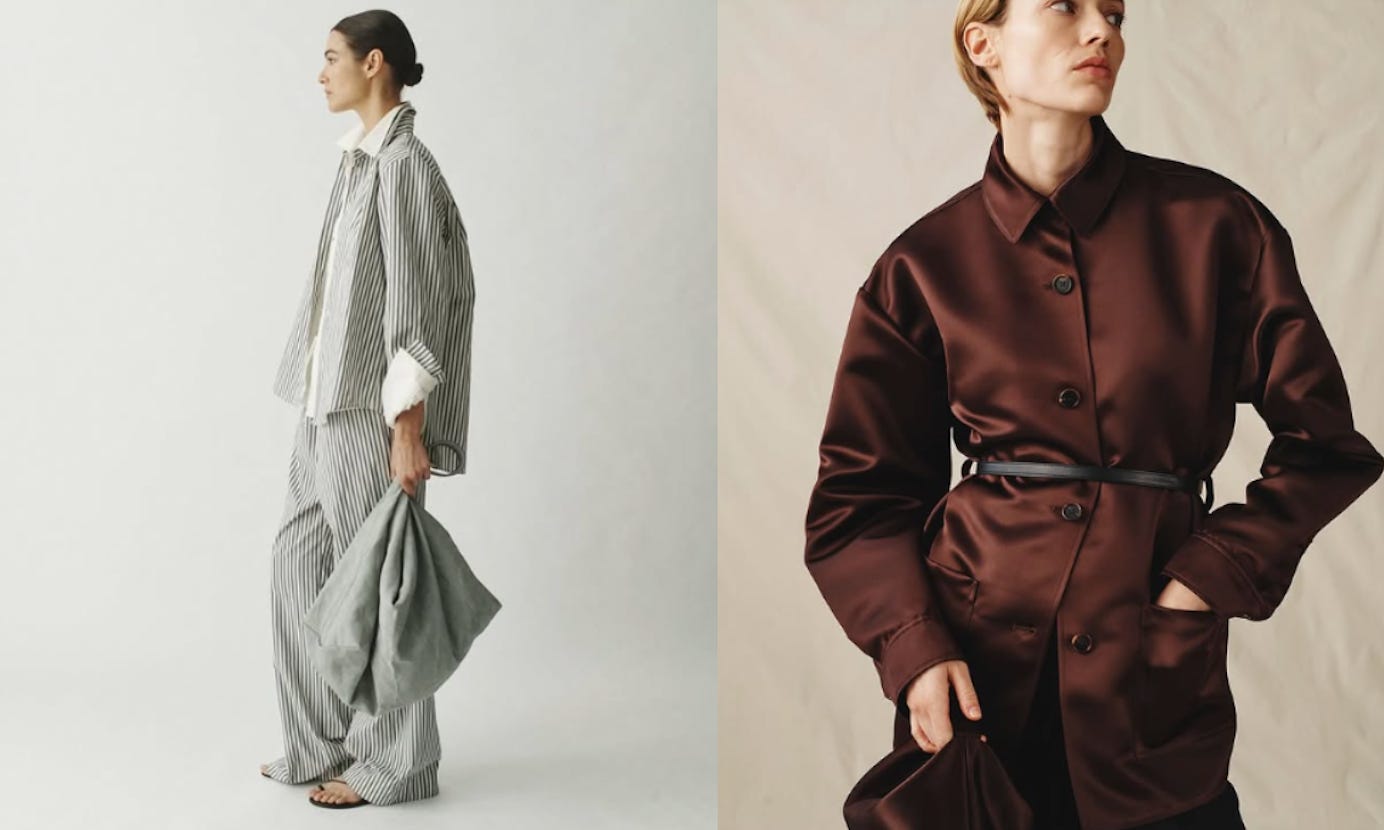
The right fabric weight determines whether a piece holds its intended shape. Even casual materials can look refined when they have enough substance. Modern refinement often plays with weave and knit contrasts - a fine merino knit under a substantial melton coat or lightweight worsted wool against heavy cashmere.
Colour
The fashion realm would have you believe you can’t look expensive in colour. Not true. A decadent fabric in the right proportion will look luxurious regardless of its hue. Neutral monochrome or near-monochrome styling will only make it easier. Watch out for two elements: proportions and undertones.
First, with proportions, colour impact largely depends on how much space it occupies. I love how colour is styled in the images below: red accents against an all-black outfit. The brightly coloured pieces in your closet can truly shine against an outfit anchored in a single-colour family. Keep the base colour dominant (about 70-80% of the outfit).
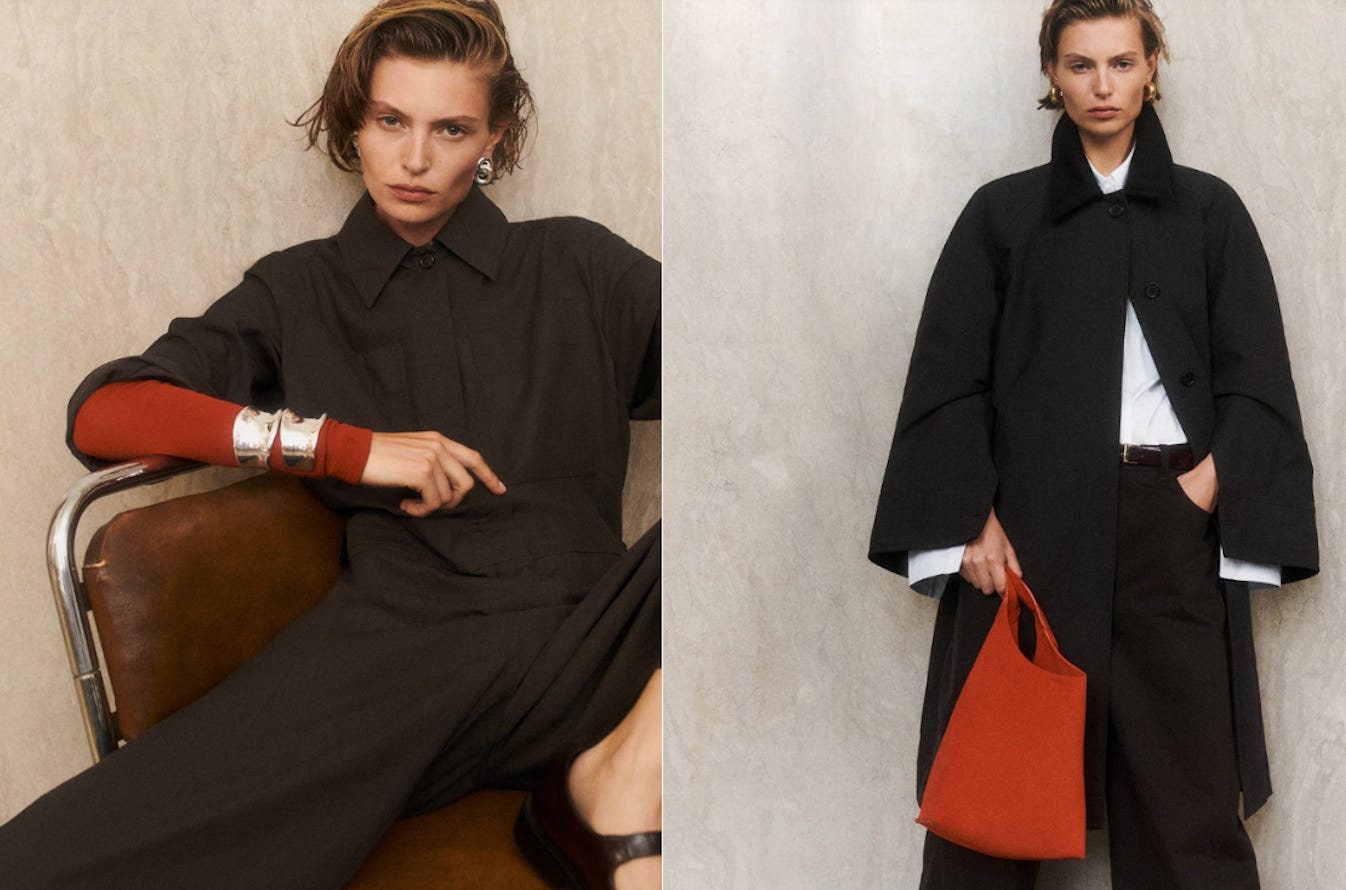
Second, understanding undertones can help you leverage more of the pieces you own—pair colours that share the same base - warm with warm, cool with cool. Warm terracotta with chocolate brown. Slate blue with cool grey. Mustard yellow with tan.
Texture
Texture has become increasingly crucial to modern refinement. A single shearling piece against clean wool. A fine ribbed knit against a broader wool weave. Subtle bouclé. Matte against subtle shine. Look for pieces where texture creates depth.
Care As Currency
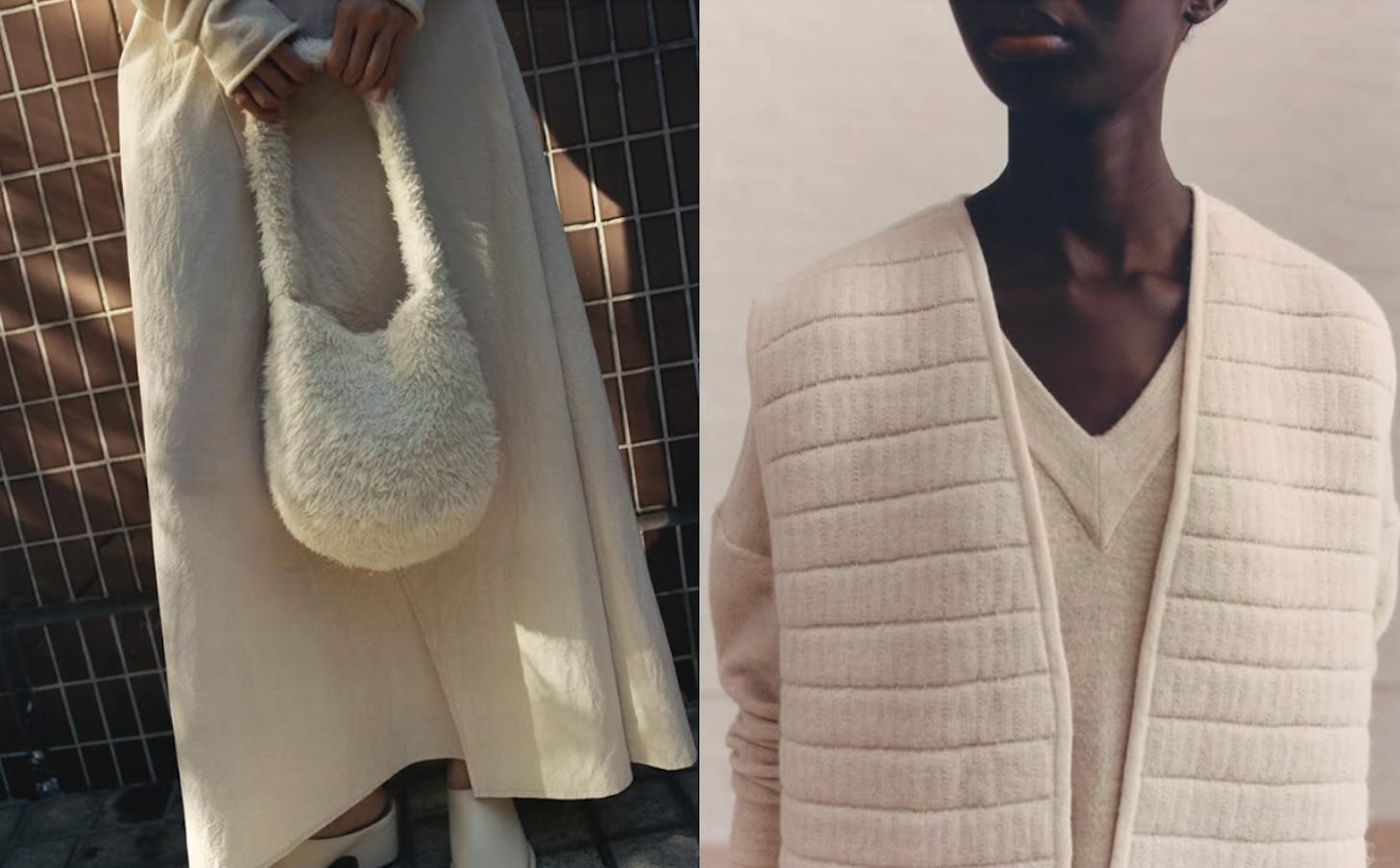
What do all these images have in common? Perfectly pressed creases, cashmere with zero pilling, wool coats with pristine surface texture, crisp cotton twill. The current emphasis on precise proportions and elegant materials demands equally precise maintenance to preserve the intentional lines and movement that define these pieces.
Proper hanging becomes essential. Invest in broad wooden hangers - they maintain shoulder lines and prevent distortion at pressure points. Knits require folding; don’t hang them, regardless of the gauge. To maintain the dramatic volumes of dresses, tops, and pants, allow some space between the hangers and hang them so that the weight is distributed evenly across the garment. Develop a routine for regular post-wear care (brushing, shaving, airing out, etc).
I can’t iron to save my life. So it’s good news for me that these pieces with dramatic bodies and gathered details suit steaming better. Structured pieces require steady, powerful steam to remove creases while maintaining shape. Lightweight pieces like silk tops will also suit steam better to preserve deliberate folds while removing unwanted creases. If I gave you housekeeping recommendations, my friends and family who read me would never let me live it down. I’m an agent of chaos. Instead, I refer you to the people who know better: I swear by Anna Newton , and she swears by this steamer (the handheld version, however, has a LOT of negative reviews).
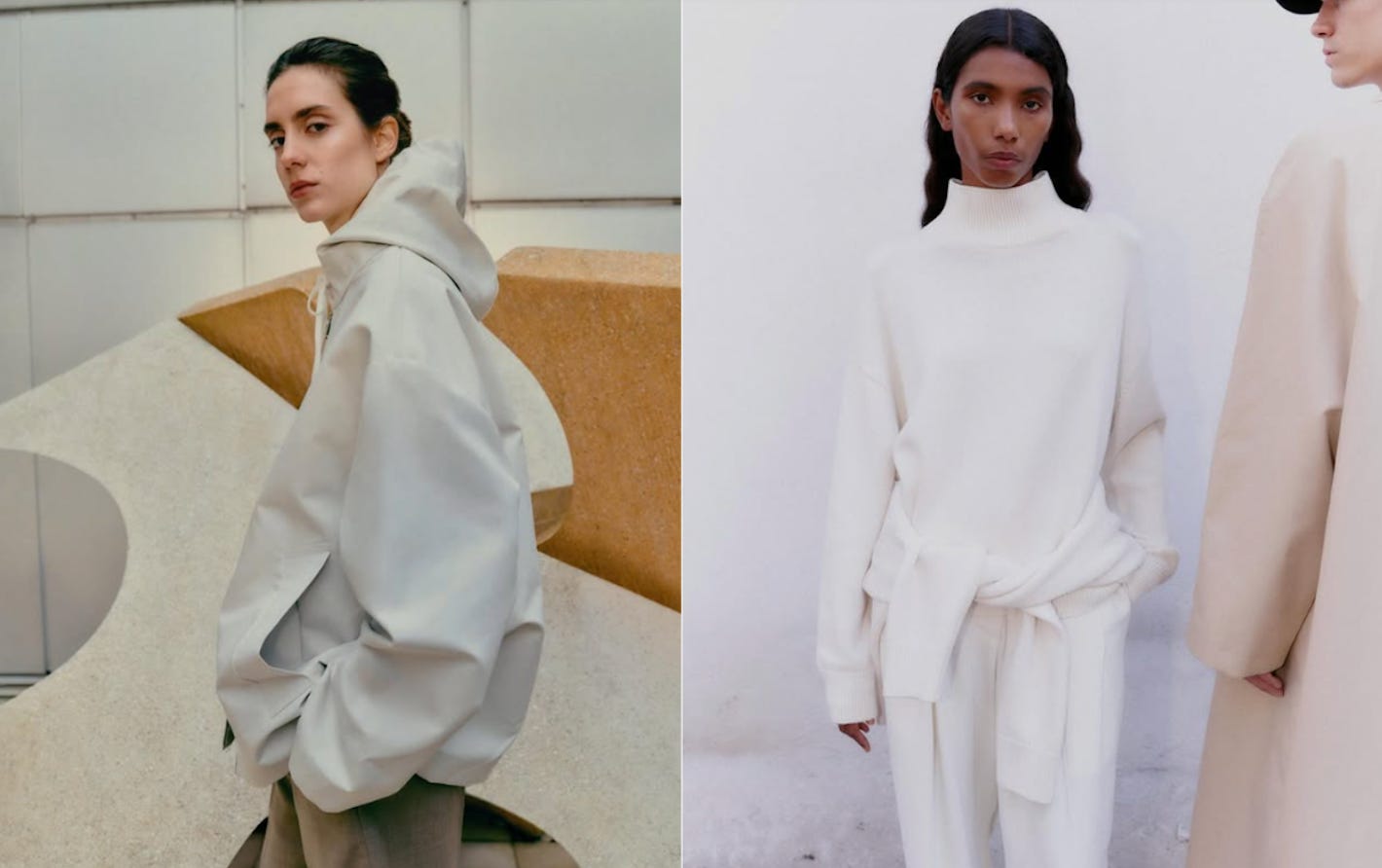
The same applies to tailoring. I have just taken a coat I have already worn two dozen times to have the sleeves shortened to look more sharp. The precise proportions we’re seeing above often require subtle adjustments - finding a tailor who either understands these silhouettes or will listen to what you ask for becomes crucial. Ask the people who work at your favourite store who they recommend for alterations - I asked the lady at the Studio Nicholson store in Soho. [If you’re in London, she recommended Chris and George, across the road on Berwick Street. Phone number: 02074342130].
Taste And Perceived Value
There’s the matter of subjectivity. What looks expensive to you might be different to the next person. As per Rachel’s piece on sexy dressing this week, what makes you feel sexier isn’t always the traditional markers of cleavage, exposed skin, etc. For what looks expensive, it is also in the eye of the beholder. Perceived value is deeply personal and often tied to our earliest memories of sophistication. Cultural context matters, too. For example, what signals sophistication in corporate settings would often feel stuffy and mainstream in creative industries.
You may not equate taste with looking expensive but with individuality. In which case, I’m sure you can’t think of anything worse than wearing a scarf-detailed coat. While beautifully made pieces with precise cuts and quality materials create a foundation, true sophistication emerges from how these elements are deployed. There’s so much more fun to be had than to Replicate The Khaite Look For Less (guilty!).
The concept of value itself is worth examining. Your idea of sartorial achievement may lie in creating a wardrobe that feels authentically yours, regardless of how others might categorize it. In the end, what most people think of when they say an outfit or a garment looks ‘expensive’ in 2025 is, in fact, ‘sleek’, ‘polished’, and ‘elegant’. What *you* make of it is entirely up to you. You can create your own definition or disregard it altogether, choosing different terms that better express your personal approach to dressing.
Really love this breakdown. It's something I think about a lot, and I feel I've missed out on the discussion about the quiet luxury backlash - I get that it's a bad thing when people perceive fashion as not inclusive, but there hasn't ever been a time when people didn't dress in understated beige clothes. In any case, as someone who aggressively dressed to show how poor I was (when I was a punk) I just associate the quiet luxury style (rather than trend) with what I grew up seeing - which was people wanting to look as though they had good clothes that they took care of.
Went off on a tangent there as usual - I meant to say: I really enjoyed your predictions of what could be next!
This was such a thoughtful and interesting piece to read. I have a desire for luxury clothes that never seems to get fulfilled (as in I always want more) but now I’m wondering if I actually want to “look” expensive or I just like owning these things because I love fine fabrics and beautiful materials. For example I love cashmere and how soft and light it is, but I’ll wear my cashmere sweaters around the house and destroy them. I also drive a really beat up car because I like it, and I wonder if I look odd sometimes being dressed up in designer clothes and getting out of an old Toyota.
I also want to second getting things tailored! Especially if you’re short like me having coats tailored to hit just at the wrist makes such a difference.